Nervous Driver’s Guide to Southwest Road Trips from Las Vegas
Travel, Southwest Road Trips
Nervous Driver’s Guide to Southwest Road Trips from Las Vegas
If your heart races just thinking about merging onto the highway, but a part of you still craves those wide desert views, you’re not alone. You don’t have to be a fearless driver to enjoy the Southwest; you just need routes, stops, and a plan designed for your comfort level. This guide focuses on calm roads out of Las Vegas, simple places to pause, and a mindset that keeps you in control every mile of the way.
Start Smaller Than You Think
If the idea of a long road trip makes your chest tighten, you don’t have to start with a long road trip. The Southwest is full of short, low-pressure drives that still feel like a real escape from the Strip without pushing you into situations you’re not ready for.
A “road trip” doesn’t have to mean hours on the interstate or winding mountain passes. It can mean:
A 30–45 minute drive to a smaller town where traffic calms down
One simple highway with just a couple of turns
A single overnight stay instead of a multi-stop itinerary
From Las Vegas, you can be in a quieter place in under an hour without ever feeling far from services, cell signal, or a clear way back. The point of these first drives isn’t to be “epic.” It’s to prove to your nervous system that you can leave, enjoy yourself, and come back without anything dramatic happening.
📌 Key Takeaway: Think of your first outings as practice drives , not bucket-list trips. Lower stakes make it easier to notice that nothing catastrophic happens when you leave town.
Real-world example: " Jenna", a Vegas local who avoided highways for years, started with a 35-minute drive from Las Vegas to Boulder City on a quiet weekday morning. She parked near the historic downtown, grabbed a coffee, walked a few blocks, and then drove straight back. “It felt almost too simple,” she said later, “but that’s what I needed. Now I know I can at least do that drive any time I want.”

Short drives to nearby towns help you practice road trips without pressure.
Routes That Feel Safe, Not Just Look Scenic
A lot of Southwest road trip guides focus on dramatic overlooks and narrow scenic byways. If you’re a nervous driver, that’s not what you’re looking for at the start. You want:
Wide lanes and good shoulders
Reasonable speed limits where you don’t feel pushed
Clear signage and simple junctions
Places to pull off if you need a break
Leaving Las Vegas toward Hoover Dam, Boulder City, and Lake Mead checks a lot of these boxes. You’re close to town, the roads are well-traveled and maintained, and you’re never far from services or a safe place to stop. You still get the open desert feeling, but with structure and predictability around you.
“I was terrified of cliffside roads, so I skipped Valley of Fire at first and stuck to the US-93 route toward Hoover Dam. It felt like training wheels for the desert; wide lanes, guardrails, and lots of other normal cars. That one positive experience made me realize not every desert drive has to be dramatic to be worth doing.”
— "Mark", cautious driver from California
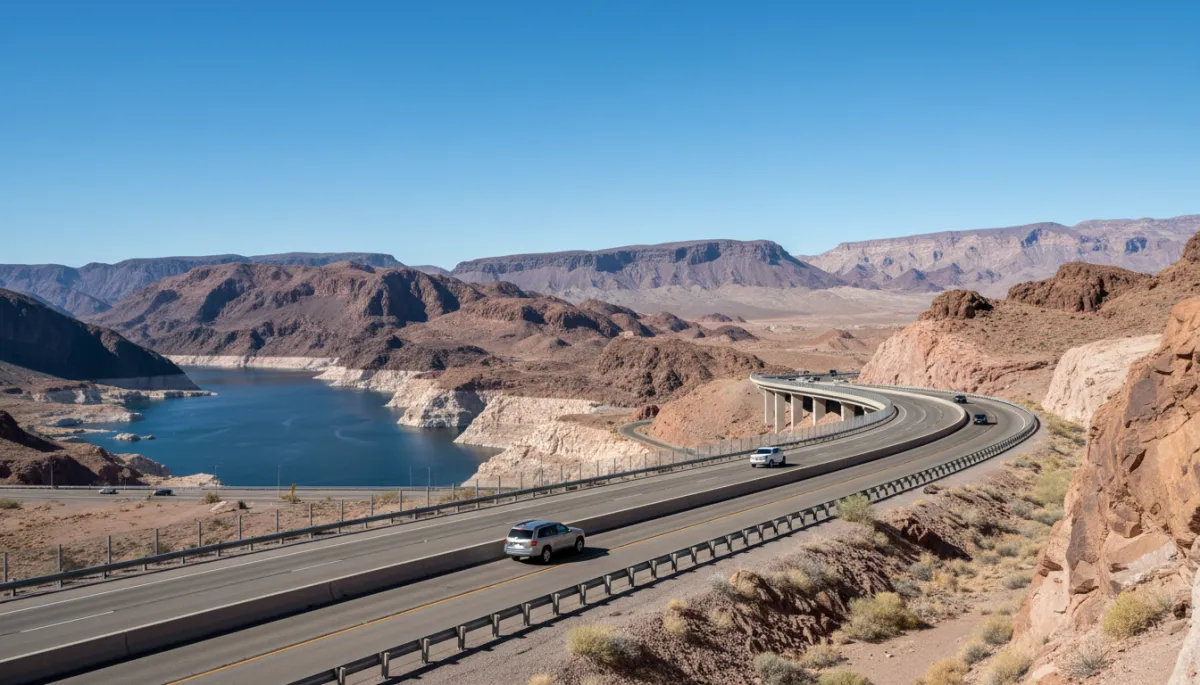
Choose wide, well-marked roads so your focus stays on calm driving, not fear.
Simple Stops, Not Packed Itineraries
When you’re anxious about driving, it’s easy to overcompensate by overplanning. You stack your day with stops so it feels “worth it,” and suddenly your brain is juggling directions, parking, check-in times, and crowds instead of just driving the car and noticing that you’re okay.
For your first few trips out of Las Vegas, pick one or two simple, low-effort stops:
A lakeside viewpoint where you can sit on a bench and just breathe
A quiet coffee shop or diner where you can linger without a schedule
A short, flat walk near the water or through a historic district
The goal is to associate driving out of town with calm, unhurried time, not with a checklist. When your nervous system realizes that leaving Las Vegas doesn’t mean chaos or pressure, it starts to loosen its grip.
💡 Pro Tip: Before you go, pick one “must-do” and treat everything else as optional. If you only sit by the water for 20 minutes and come back, that still counts as a successful practice run.
Real-world example: After years of canceling trips, "Luis" finally drove from Las Vegas to Lake Mead Overlook with just one plan: sit on a bench and listen to an audiobook. He skipped the boat rentals, the hikes, and the guided tours. “Because I wasn’t rushing to ‘fit it all in,’” he said, “I actually noticed how peaceful it felt just to be there. The drive home felt easier than the drive out.”
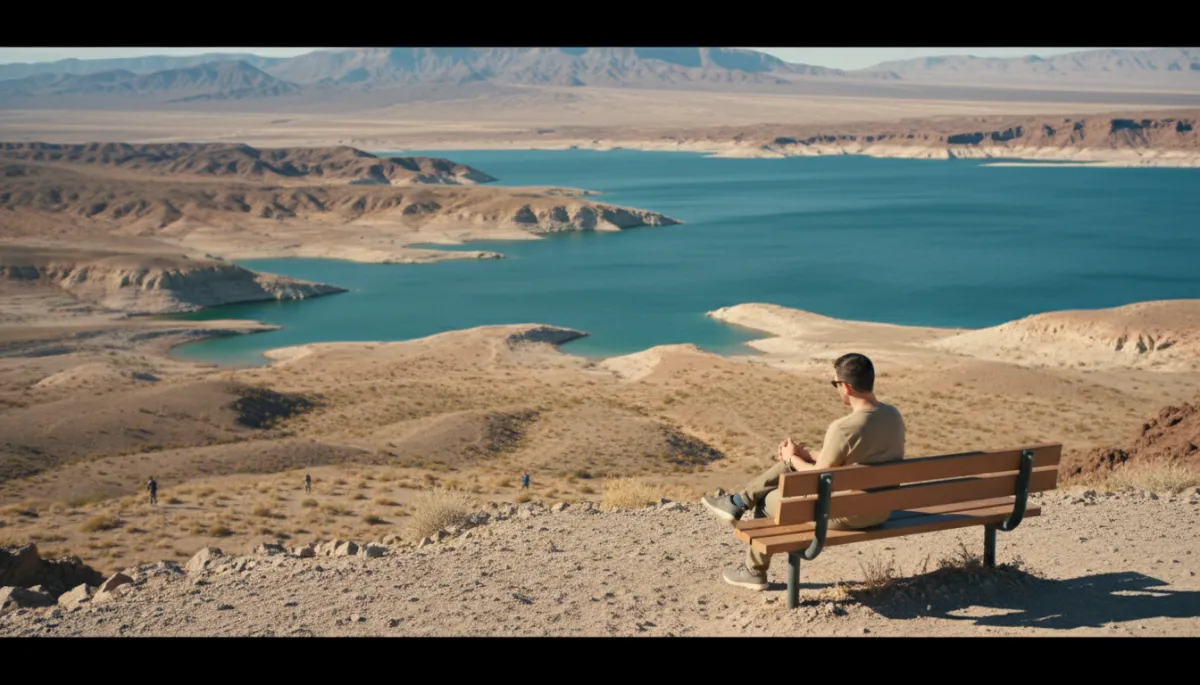
Slow, simple stops teach your body that leaving town can feel spacious and calm.
Driving Time You Can Actually Handle
On paper, a three-hour drive might sound reasonable. For a nervous driver, three hours can feel like a marathon if you’re holding tension the entire way. Instead of asking, “How far can I go?” ask, “How long can I comfortably stay focused without feeling wrung out?”
From Las Vegas, that might mean:
30–45 minutes of driving, then a real break where you get out of the car
One main driving segment in the morning, and that’s it for the day
Turning around earlier than planned if your body is done, even if the map says you’re “close”
You’re not trying to prove anything to anyone. You’re gathering evidence for yourself that you can choose when to start, when to stop, and when to turn back. That sense of control matters more than how many miles you cover.
📌 Key Takeaway: Your energy level is a more important metric than your odometer. Plan around how your body actually feels, not how long the GPS says the route should take.
Case study: On her first solo trip, "Priya" limited herself to a 40-minute drive from Las Vegas to a small motel in Boulder City, with a full hour planned to rest before deciding whether to continue to Lake Mead. After her break, she noticed her shoulders had relaxed and chose to end the driving day there. “I went farther than my comfort zone, but not so far that I scared myself,” she said. The next month, she repeated the same route and added the extra 20 minutes to the lake.
Hotel Uncertainty Without the Spiral
One of the hardest parts of road trips for anxious drivers isn’t the road itself. It’s the uncertainty around where you’re going to sleep, how the hotel will feel, and what happens if you get there and don’t like it. That “trapped” feeling can start the spiral long before you even pull out of the driveway.
A few ways to keep that in check:
Book flexible rates when you can, even if they cost a little more
Choose chains or brands where you generally know what to expect
Have a backup option in mind in the same town, just in case
You’re not locking yourself into a single outcome. You’re giving yourself room to adjust without turning the whole trip into a high-stakes decision. Knowing you can change your mind when you get there takes a lot of pressure off the drive itself.
💡 Pro Tip: Save the phone numbers of your primary hotel and your backup hotel in your contacts before you leave. That way, if you decide to switch, it’s a quick call, not a panicked search on a weak signal.
Real-world example: "Sam" and "Riley" drove from Las Vegas to Kingman with a flexible-rate reservation at a familiar chain hotel and a locally owned motel saved as a backup. When they arrived, the chain hotel felt a bit noisy, so they simply walked across the street to the quieter motel and switched. “Knowing we had options,” they said, “meant we weren’t white-knuckling the whole drive wondering, ‘What if we hate the hotel?’”

Familiar, flexible hotel choices reduce the sense of being trapped far from home.
A Control Mindset Instead of a Fear Mindset
Underneath most driving anxiety is a fear of losing control: of your body, of the car, of the situation. The more you believe you’re at the mercy of other drivers, the weather, the hotel, or the map, the tighter your nervous system holds on.
On these first Southwest trips out of Las Vegas, you’re practicing something different:
You decide what time you leave, even if that means later than the “perfect” time
You decide when to pull over, without justifying it to anyone
You decide if today is a driving day or a staying-put day
The desert around Las Vegas is actually a good teacher for this. The roads are open, the views are wide, and nothing is forcing you to go farther than you want to go. You’re allowed to turn a “big trip” into a small one and still call it a success.
“On my first weekend out of Vegas, I told myself, ‘If I only make it to the first overlook and turn around, that’s still a win.’ I ended up going farther than planned, but knowing I could change my mind at any time kept my anxiety from boiling over.”
— "Alana", rebuilding confidence after a past panic attack on the road
📌 Key Takeaway: A “successful” trip is one where you made the calls, on distance, timing, and pace, not one where you hit every attraction.
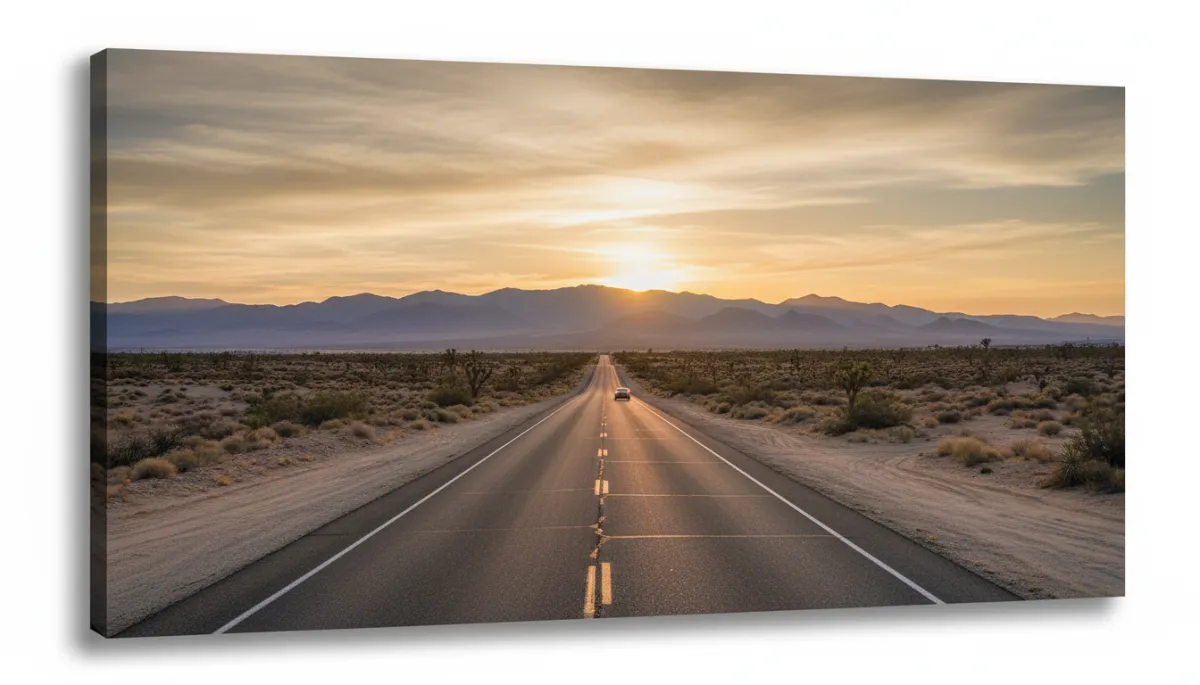
You set the distance, the pace, and the rules for every drive you take.
Before you book your next stop, take a quick look at what that same stay actually goes for. Most people don’t. And once you see the difference, it changes how you plan the entire trip.
Check Your Next Stay